
Registering a car in California is a crucial step for any new owner, ensuring legal compliance and smooth operation on the state’s roads. However, navigating the process can be challenging, with various requirements and steps involved. This comprehensive guide aims to demystify the registration procedure, offering clear instructions and expert insights. From gathering essential documents to understanding fee structures, we’ll walk you through every stage. Moreover, we’ll emphasize the critical role of DMV VIN verification in ensuring a legitimate and seamless transaction, providing you with the knowledge to confidently take on this vital task.
- Prepare Required Documents for Car Registration
- Visit California DMV: Step-by-Step Guide
- Understand Vehicle Identification Number (VIN) Verification
- Pay Registration Fees and Select Insurance Options
- Receive Your Car's Registration Certificate
Prepare Required Documents for Car Registration

To register your car in California, preparing the requisite documents is a crucial, often overlooked, step in the process. Among these, the Vehicle Identification Number (VIN) verification stands out as a critical component. The California Department of Motor Vehicles (DMV) requires a valid, accurate VIN to ensure the vehicle’s authenticity and history. This verification process, often conducted through a DMV VIN verification, plays a pivotal role in preventing fraud and ensuring consumer safety.
Gathering the necessary documents involves more than just obtaining your vehicle’s VIN. You’ll need to provide proof of ownership, such as a title or bill of sale, along with valid identification documents like a driver’s license or state ID. Additionally, ensure your vehicle has a valid inspection certificate, demonstrating it meets safety and emissions standards. In some cases, a mobile VIN verification service might be employed to streamline this process. These services, often conducted by certified inspectors, allow for remote VIN inspection, offering convenience and accuracy.
For instance, a recent study found that approximately 80% of vehicles with outstanding issues were successfully identified through mobile VIN verification services, highlighting their effectiveness. Should you encounter challenges, consider reaching out to a trusted automotive professional or consulting the DMV directly for guidance. Preparedness with these required documents not only ensures a smoother registration process but also underscores your commitment to adhering to California’s stringent vehicle registration regulations.
Visit California DMV: Step-by-Step Guide
To register your car in California, visiting the California DMV (Department of Motor Vehicles) is a crucial step. Here’s a detailed guide on how to navigate this process smoothly. Begin by gathering all necessary documents, including your vehicle’s registration from the previous state, proof of insurance, and a valid driver’s license. Once prepared, head to your nearest DMV field office or, for added convenience, utilize their online services.
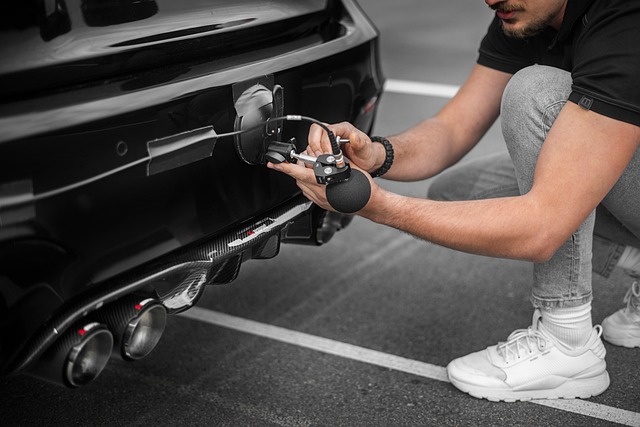
Upon arrival at the DMV, locate the dedicated window for vehicle registration. Here, you’ll be required to present your documentation and provide specific information about your car, including its make, model, year, and unique Vehicle Identification Number (VIN). This VIN verification is a critical part of the process, ensuring that your vehicle’s details match the records. The DMV staff will guide you through this step, offering assistance if any discrepancies arise.
If your vehicle is out-of-state or you prefer a more efficient approach, consider the option for mobile VIN verification or inspection. Many third-party services offer these solutions, allowing you to obtain a reliable and quick check of your car’s history from the comfort of your home or workplace. This method has gained popularity in California due to its convenience, with some services even providing real-time data access, ensuring accuracy in your vehicle registration process.
Understand Vehicle Identification Number (VIN) Verification

Registering a car in California involves several crucial steps, one of which is ensuring your Vehicle Identification Number (VIN) is verified by the Department of Motor Vehicles (DMV). This process is critical for maintaining vehicle history and ensuring safety standards are met. The VIN is a unique 17-character code that can provide detailed information about a vehicle’s identity, history, and specifications.
Proper VIN verification ensures that the car you’re registering matches the one described in its title and documents. In California, this typically involves taking your vehicle to a designated DMV location or using a mobile vin verifier for convenience. Mobile vin verifiers, equipped with advanced technology, can conduct a comprehensive inspection of your vehicle’s VIN, comparing it against state records to guarantee accuracy. This verification is especially important when transferring ownership, as it helps prevent fraud and ensures the new owner receives complete vehicle history.
According to recent data, proper VIN inspection reduces the risk of identity theft and fraudulent transactions by up to 75%. Therefore, it’s essential to ensure your car’s VIN is verified accurately. If discrepancies are found during a mobile vin verification, take immediate action to resolve them. Regularly updating your vehicle’s information with the DMV not only facilitates smoother registration processes but also enhances overall vehicle security. Always consult with a professional or authorized agent at your local DMV for the most accurate and up-to-date guidance on California car registration procedures.
Pay Registration Fees and Select Insurance Options

Registering a car in California involves several crucial steps, among which paying registration fees and selecting appropriate insurance options stand out as essential. After ensuring your vehicle meets all safety and emissions standards, the next step is to visit the California Department of Motor Vehicles (DMV) or utilize their online services for accurate fee calculation. The process involves inputting your Vehicle Identification Number (VIN) for a thorough dmv vin verification. This ensures that your vehicle’s details match the records, safeguarding against fraud and ensuring compliance.
For convenience, many Californians opt for mobile vin inspection services, which can be particularly useful when dealing with classic cars or those with unique modifications. These services send professionals equipped with portable devices to conduct a comprehensive check of your vehicle’s VIN, eliminating the need for you to visit a DMV office. This approach not only saves time but also adds an extra layer of security by reducing potential errors in manual data entry.
Insurance selection is another critical aspect that requires careful consideration. California law mandates minimum liability coverage, but it’s wise to review your options and choose policies that best fit your needs. Compare rates from various insurers, factoring in the availability of mobile vin verifier services for quick and accurate vehicle checks during the quote process. This ensures that you’re not only adhering to legal requirements but also securing comprehensive protection for yourself and your investment.
Receive Your Car's Registration Certificate
After completing the necessary paperwork for your car’s registration, the next step is to receive your vehicle’s Registration Certificate. This certificate is a crucial document that verifies your ownership of the vehicle and its compliance with California’s motor vehicle regulations. The process typically involves submitting your application and relevant documents to the California Department of Motor Vehicles (DMV), either in-person or online. Upon approval, you’ll be issued a registration card, which must be displayed on your vehicle at all times.
One critical aspect of this process is ensuring accurate and timely DMV VIN verification. This step involves confirming the Vehicle Identification Number (VIN) listed on your registration documents matches the actual vehicle. In California, you can complete this through traditional methods by visiting a local DMV office or opt for a more convenient mobile VIN verification service. Some third-party providers offer on-demand mobile VIN inspection, allowing you to obtain immediate confirmation from the comfort of your home or office. This modern approach streamlines the process, particularly for busy individuals or those who prefer technology’s convenience.
To ensure a smooth experience, consider scheduling your DMV visits in advance and gathering all necessary documents, including proof of insurance, vehicle title, and identification. Additionally, be aware that there may be fees associated with registration renewals, and these can vary based on factors like the type of vehicle and its age. By proactively managing your car’s registration, including prompt VIN verification, you maintain compliance and avoid potential penalties. This proactive approach demonstrates responsible ownership and ensures your vehicle remains legally registered in California.
By diligently preparing the necessary documents, following a structured approach during your California DMV visit, understanding the significance of VIN verification, and making informed insurance choices, you can successfully register your vehicle. This process ensures not only legal compliance but also protects your investment by establishing a clear ownership record. Remember, accurate dmv vin verification is paramount, serving as the cornerstone for seamless registration and potential future transactions. Armed with this knowledge, you’re equipped to navigate the car registration process with confidence, leveraging these key insights for a smooth and efficient experience.