

Looking to register your car in California? This comprehensive guide will walk you through the entire process, from understanding eligibility requirements to gathering essential documents, visiting the DMV, verifying your vehicle’s Identification Number (VIN) with a trusted VIN verifier, paying registration fees, and receiving your new plates. Make sure everything is in order and hit the road with peace of mind!
- Understand Eligibility Requirements for Car Registration
- Gather Necessary Documents for Car Registration
- Visit the DMV and Complete Application Process
- Verify Vehicle Identification Number (VIN) Accuracy
- Pay Registration Fees and Receive Your Plate
Understand Eligibility Requirements for Car Registration

Before you start the registration process, it’s crucial to understand the eligibility requirements set by the California Department of Motor Vehicles (DMV). To register your car in California, you must first ensure that your vehicle meets all safety and environmental standards. This includes passing a state-mandated smog test for most vehicles. Additionally, the DMV requires a valid Vehicle Identification Number (VIN) inspection, which can typically be conducted at an authorized location using a DMV-approved VIN verifier, often referred to as a mobile vin verification service.
All vehicles, regardless of age and type, must undergo this process to ensure they comply with California’s regulations. It’s also essential to have the necessary paperwork, including proof of ownership, current insurance, and identification. Fulfilling these requirements is a critical step in legally registering your vehicle, enabling you to drive on California’s roads without any legal issues.
Gather Necessary Documents for Car Registration
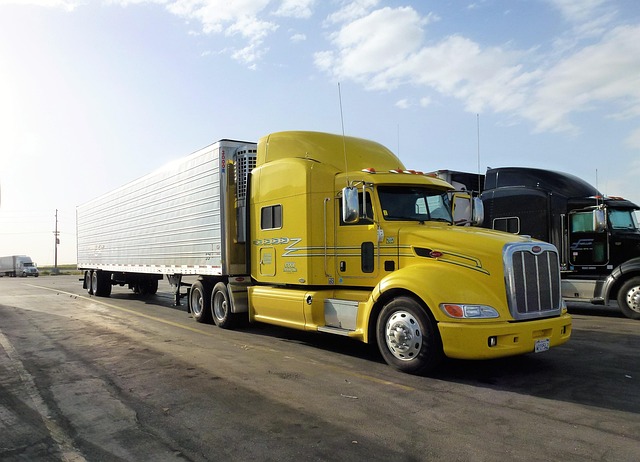
Before heading to the DMV for car registration, ensure you have all the required documents. This process usually involves multiple forms and proofs, so it’s essential to be prepared. Key documents include your vehicle’s title, which proves ownership, and proof of insurance, which is a legal requirement for registering any motor vehicle in California. Additionally, the DMV will require your driver’s license or state ID card and payment for registration fees.
Another crucial step is obtaining a Vehicle Identification Number (VIN) verification. This can be done through various means, including a mobile VIN inspection or visiting a specialized service center. The DMV recommends using an approved VIN verifier to ensure the accuracy of the vehicle’s history, which is vital in preventing fraud and ensuring a smooth registration process.
Visit the DMV and Complete Application Process

To register your car in California, the first step is to visit a nearby Department of Motor Vehicles (DMV) office. You’ll need to complete an application process that involves providing essential documents and verifying key information about your vehicle. Upon arrival at the DMV, locate the appropriate counter for vehicle registration and gather all necessary paperwork. This typically includes your car’s title, proof of insurance, and valid identification.
The DMV will require you to enter your Vehicle Identification Number (VIN) during this process, which can be efficiently verified using a mobile VIN verifier. Many people opt for mobile VIN inspection services that allow them to check their vehicle’s history remotely, ensuring all necessary details are in order before visiting the DMV. This streamlines the registration process and saves time.
Verify Vehicle Identification Number (VIN) Accuracy

Before proceeding with the registration process, it’s crucial to ensure your vehicle’s Vehicle Identification Number (VIN) is accurate. This unique 17-character code is essential for identifying your car and plays a vital role in the registration procedure at the California Department of Motor Vehicles (DMV). One effective way to verify the VIN accuracy is through a mobile vin verification service, which provides a quick and convenient vin inspection right from your smartphone or tablet.
By utilizing these modern tools, you can cross-check the information against official databases, ensuring that your vehicle’s VIN matches the records associated with it. This step is particularly important to avoid any potential issues during the registration process at the DMV. Alternatively, some services also offer on-site mobile vin inspection, providing an additional layer of convenience for California residents looking to register their vehicles efficiently and accurately.
Pay Registration Fees and Receive Your Plate

After you’ve completed your vehicle’s registration process at the California DMV, it’s time to pay the registration fees. The amount varies based on your vehicle type and emissions status. You can typically do this online or in person at a DMV office. Once the payment is processed, you’ll receive your vehicle’s license plate. This plaque features a unique combination of letters and numbers, identified by a California-specific design.
Ensure that all information on your registration documents, including the Vehicle Identification Number (VIN), matches the details of your car to avoid any issues. A mobile VIN verifier or inspector can aid in confirming these details before finalizing the registration, providing peace of mind and ensuring compliance with California’s regulations.
Registering a car in California involves understanding eligibility requirements, gathering essential documents, visiting the DMV, verifying your vehicle’s VIN with a reliable VIN verifier like our recommended dmv vin scanner tools, paying registration fees, and receiving your new license plate. This process ensures your vehicle complies with state regulations, enabling you to legally operate it on California roads.