

Registering a car in California is a vital step for any new owner, ensuring legal compliance and access to key services. However, navigating the process can be daunting, with many details and requirements to remember. This comprehensive guide aims to demystify the procedure, offering step-by-step instructions tailored to the Golden State’s regulations. We’ll delve into everything from gathering essential documents to understanding fees, including the crucial DMV VIN verification process. By the end, you’ll be armed with the knowledge to register your vehicle smoothly and confidently.
- Prepare Necessary Documents for Car Registration
- Visit Your Local California DMV Office or Website
- Complete Vehicle Identification Number (VIN) Verification
- Submit Required Fees and Ensure Accuracy in Application
- Receive Your Certified Registration and License Plate
Prepare Necessary Documents for Car Registration

Before you can register your car in California, you need to ensure you have all the required documents ready. This process involves several critical steps, one of which is obtaining a valid Vehicle Identification Number (VIN) verification from the California Department of Motor Vehicles (DMV). The VIN is a unique identifier for your vehicle, and its accuracy is crucial during registration. One efficient method to complete this requirement is through a mobile VIN inspection or verification service. These services allow you to have your car’s VIN checked remotely, saving time and effort by eliminating the need to visit a DMV office.
For instance, many online platforms offer mobile VIN verification, where a qualified inspector can perform the check at your convenience. This option is particularly beneficial for out-of-state buyers or those with limited mobility. The process typically involves providing your car’s make, model, and year, followed by the VIN itself. The inspector will then use specialized tools to cross-reference the VIN against DMV records to ensure its authenticity and condition. It’s important to choose reputable services that adhere to California’s regulations, ensuring a smooth and legitimate registration process.
Additionally, having recent maintenance records or a clean vehicle history report can expedite the registration process. These documents provide proof of proper ownership and care, which is essential when registering a car in California. By preparing these necessary documents, you can anticipate a more efficient DMV experience, especially during peak hours when lines tend to be longer. Remember, accuracy and completeness are key; ensuring your paperwork is in order will help prevent delays or potential issues that could arise from an incomplete registration packet.
Visit Your Local California DMV Office or Website

To register your car in California, the first step is to visit your local California DMV office or access their official website. This process serves as a cornerstone for ensuring compliance with state regulations and facilitating a smooth ownership experience. The DMV offers several convenient options for registration, including in-person visits and online services, making it accessible for all residents.
When you arrive at the DMV, one of the key processes involves undergoing a Vehicle Identification Number (VIN) verification. This is crucial to establishing the authenticity and history of your vehicle. The DMV staff will cross-check your car’s VIN with their records to ensure it matches the data on file. For instance, they might compare it against recall notices, accident reports, or previous registration records. If you’re registering a new car, a mobile VIN verification can be arranged, where a third-party service uses advanced technology to remotely inspect and validate your vehicle’s details. This modern approach streamlines the process, especially for those with busy schedules.
The California DMV website provides an online form for scheduling appointments, allowing you to avoid long waits. You’ll need to provide essential documents such as proof of ownership, vehicle registration (if applicable), and identification. If any discrepancies are found during the VIN verification process, be prepared to rectify them promptly. For instance, if there’s a recall on your car, the DMV will notify you, and you’ll need to address it before completing the registration. This meticulous attention to detail is what ensures California’s robust vehicle registration system remains one of the most reliable in the nation.
Complete Vehicle Identification Number (VIN) Verification
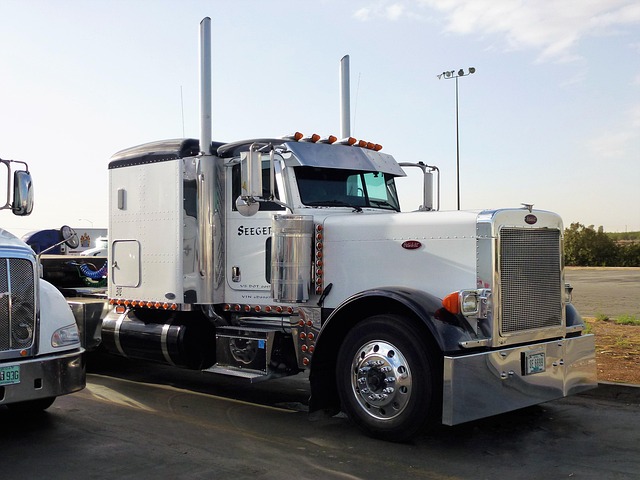
Registering a car in California involves several crucial steps, and one of the most critical is ensuring accurate Vehicle Identification Number (VIN) verification. This process is essential to maintain vehicle safety standards and prevent fraud. The California Department of Motor Vehicles (DMV) strictly enforces VIN verification as part of the registration process. A proper VIN inspection ensures that the vehicle’s history aligns with the claimed ownership and helps identify any potential issues or discrepancies.
For a comprehensive and convenient VIN verification experience, consider using a mobile vin verifier. These services send a technician to your location to conduct a thorough inspection of your vehicle’s VIN. They utilize advanced technology to cross-reference the VIN against numerous databases, including those maintained by the DMV and national vehicle history reports. This ensures that all information is up-to-date and accurate. For instance, a mobile vin inspection can reveal previous ownership records, accident history, outstanding liens, or any reported thefts, empowering you with vital data before completing the registration.
While many people opt for traditional static VIN inspections at DMV centers, mobile vin verification offers several advantages. It saves time by eliminating the need to visit a DMV office and often results in faster registration processing. This is especially beneficial for busy individuals or those living in remote areas. Moreover, mobile services provide peace of mind, as they offer immediate, on-site feedback, allowing you to address any issues promptly before proceeding with registration. By embracing modern solutions like these, California drivers can streamline the registration process while ensuring their vehicles meet all necessary safety and legal standards.
Submit Required Fees and Ensure Accuracy in Application

Registering a car in California involves several crucial steps, and one of the critical aspects is submitting the required fees and ensuring accuracy in your application. The California Department of Motor Vehicles (DMV) requires specific documentation and payments for vehicle registration. It’s essential to gather all necessary materials before starting the process. This includes proof of insurance, a completed title transfer form, and the appropriate registration fee.
The registration fee varies based on several factors, such as the type of vehicle and its age. For example, for most cars, trucks, and motorcycles up to 10 years old, the base fee is $52. However, additional fees may apply for vehicles with special equipment or those that have been modified. It’s recommended to use the DMV’s online tools to calculate your exact fee, ensuring accuracy to avoid delays. Mobile vin inspection services, including mobile vin verifiers, can aid in this process by providing immediate, on-site vehicle history reports, enhancing accuracy and convenience during your visit to the DMV or when submitting your application.
Accuracy in your application is paramount to ensure a smooth registration process. The DMV conducts a Vehicle Identification Number (VIN) verification as part of their routine checks. This involves cross-referencing the VIN data with manufacturers’ records to validate the vehicle’s history, including any reported accidents or outstanding recalls. To streamline this step, consider utilizing mobile vin inspection services that offer accurate, real-time verifications. For instance, these services can help identify potential issues early in the process, reducing the risk of delays or rejection of your application. By being prepared with all required documents and fees, as well as leveraging modern tools like mobile vin verification, you can efficiently navigate the registration process.
Receive Your Certified Registration and License Plate
After completing your California car registration application at the DMV or online, the next step is to receive your Certified Registration and License Plate. This critical phase ensures that your vehicle complies with state regulations and enhances road safety through proper identification. Once your application is processed, you’ll be scheduled for a VIN (Vehicle Identification Number) inspection, a crucial element in the registration process known as DMV VIN verification.
For many California residents, scheduling an appointment at a local DMV office might seem like a chore. However, embracing modern solutions can make this process smoother. Mobile VIN inspection services offer an alternative, providing convenience and flexibility. These mobile vin verifiers visit you at your location, saving time and effort. They utilize advanced technology to conduct a thorough VIN inspection, ensuring your vehicle’s data is accurately captured for registration purposes. This method is particularly beneficial for those with busy schedules or individuals who prefer a hassle-free experience.
During the DMV VIN verification process, an inspector will physically examine your vehicle to ensure its components match the recorded data on the VIN. This includes checking the engine, chassis, and body panels. They also verify that all necessary documentation is in order. If issues are found during the vin inspection, you’ll be notified and given guidance on how to rectify them. Once your car passes the inspection, the inspector will issue a Certified Registration, and you’ll receive your new license plates. This document serves as legal proof of your vehicle’s registration, making it essential for daily driving and compliance with California state laws.
Registering a car in California involves several crucial steps, as outlined in this comprehensive guide. First, prepare essential documents, including proof of ownership and identification. Next, visit the local DMV or their website to initiate the process. A key requirement is successful completion of the DMV VIN verification, ensuring vehicle authenticity. Accurately fill out applications and submit required fees. Upon approval, you’ll receive your certified registration and license plates, marking the successful conclusion of the car registration process in California.