

Registering a car in California is a crucial step for any new or existing vehicle owner, ensuring legal compliance and facilitating smooth operations on state roads. However, navigating the process can be challenging, with its unique requirements and paperwork. This comprehensive guide aims to demystify the registration procedure, offering step-by-step instructions tailored to California’s regulations. We’ll delve into every aspect, from preparing necessary documents to emphasizing the significance of VIN verification for accurate and secure record-keeping. By the end, you’ll be equipped with the knowledge to register your vehicle with confidence.
- Understanding California Car Registration Requirements
- Gathering Necessary Documents for VIN Verification
- The VIN Verification Process: Step-by-Step Guide
- Choosing the Right License Plate and Fees
- Maintaining Your Car Registration: Tips and Deadlines
Understanding California Car Registration Requirements

To register a car in California, understanding the state’s specific requirements is crucial. The process involves several steps, including verifying the Vehicle Identification Number (VIN) to ensure the vehicle’s authenticity and history. California mandates a thorough VIN inspection as part of the registration process, which helps prevent fraud and ensures compliance with environmental standards. This verification can be done through various methods, such as using a mobile VIN verifier, making it more accessible for vehicle owners.
A key aspect of registering in California is ensuring that the car meets all applicable emissions standards. The state has stringent regulations to promote clean air quality, and failure to comply may result in registration delays or denial. Many modern vehicles come equipped with Electronic Control Modules (ECMs) that store detailed vehicle information, including emission-related data. A mobile VIN inspection utilizes these ECMs to retrieve critical data during the registration process, streamlining it and potentially saving owners time. For instance, some mobile VIN verifiers can provide instant access to a vehicle’s historical maintenance records, enabling a more efficient evaluation.
Additionally, California requires that all vehicles on its roads have up-to-date safety inspections. These inspections check critical components like brakes, lights, tires, and safety features. Integrating a VIN inspection with these checks ensures that any issues are identified early, enhancing road safety. Many mobile VIN verifiers offer comprehensive reporting capabilities, providing owners with detailed insights into their vehicle’s condition, which can be useful for planning maintenance or repairs. By combining VIN verification and safety inspections through innovative tools like mobile verifiers, the process becomes more efficient, ensuring California’s vehicles meet all necessary standards.
Gathering Necessary Documents for VIN Verification

Registering a car in California involves a meticulous process to ensure vehicle safety and compliance with state regulations. One of the critical steps is gathering all necessary documents for VIN (Vehicle Identification Number) verification. This stage is crucial as it establishes the authenticity and history of your vehicle, serving as a fundamental layer in the registration procedure.
Before initiating the registration, you must obtain specific documents that will be required by the California Department of Motor Vehicles (DMV). The primary focus here is on accurate VIN inspection, which can be facilitated through traditional methods or mobile vin inspection services. Ensure that your vehicle’s VIN plate is legible and accessible; this unique identifier provides a direct link to the car’s history, including ownership records, accident reports, and any outstanding issues. Examples of required documents include the vehicle title, proof of insurance, and a valid driver’s license. For classic cars or vehicles with unique circumstances, additional paperwork might be needed, such as restoration documentation or historical registration.
When considering mobile vin verification options, these services offer convenience by bringing the inspection process to you. This is particularly beneficial for those with busy schedules or accessibility challenges. Mobile inspectors are equipped to perform precise VIN checks using specialized tools, ensuring that your vehicle’s history is accurately captured and recorded. By combining traditional documentation gathering with a mobile vin inspection, you can streamline the registration process, making it more efficient and potentially saving time at the DMV.
The VIN Verification Process: Step-by-Step Guide

Registering a car in California involves a meticulous process, and a crucial step is Vehicle Identification Number (VIN) verification. This critical procedure ensures that the vehicle’s details match the information provided by the manufacturer. Here’s a comprehensive guide on navigating the VIN verification process, offering valuable insights for both new and experienced vehicle registrants.
The VIN, a unique 17-character identifier, serves as the backbone of this inspection. It begins with a check of the vehicle’s documentation, including the title and registration papers. These documents must accurately reflect the data associated with the VIN, such as the make, model, year, and emissions standards. This initial verification sets the foundation for further scrutiny. Subsequently, a physical inspection is conducted to cross-reference the VIN with the car itself. A mobile VIN verifier or service, readily available in California, can perform this task efficiently by scanning the vehicle’s VIN plate, typically located on the dashboard near the window. This technology ensures accuracy and offers a convenient solution for busy individuals.
Should any discrepancies arise during the VIN inspection, they must be addressed promptly. For instance, if the documented year of manufacture differs from the actual age of the car, registrants may need to update their records accordingly. California’s Department of Motor Vehicles (DMV) provides resources and guidelines to facilitate this process. It is advisable to consult these resources early in the registration journey to avoid delays or rejections. Properly executed VIN verification not only ensures compliance with legal requirements but also safeguards against potential issues that could arise from inaccurate vehicle documentation.
Choosing the Right License Plate and Fees
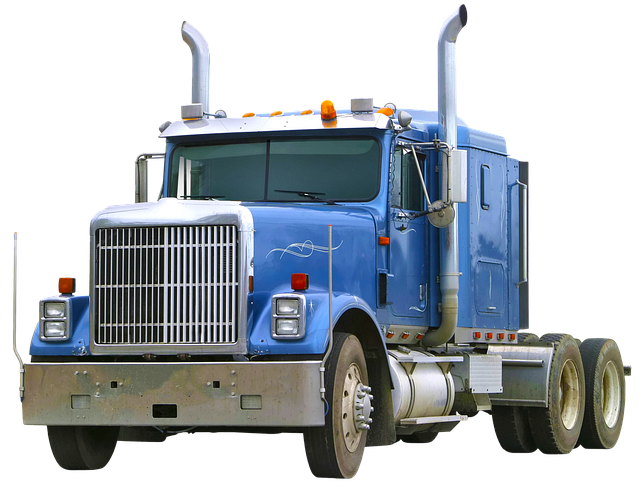
Choosing the right license plate is a significant step in the car registration process in California. Before selecting a design, it’s crucial to understand that each plate features a unique Vehicle Identification Number (VIN) that requires accurate VIN verification. This ensures that your vehicle meets all safety and emission standards, a process easily facilitated through mobile VIN verification services. These tools allow for quick and convenient checks directly from your smartphone or tablet, providing peace of mind before committing to any design.
California offers various license plate options catering to different preferences and needs. Traditional plates with standard graphics are available, but custom designs and personalized plates also exist. However, regardless of choice, all plates must pass a rigorous inspection process. This includes mobile VIN inspection services that scan the vehicle’s VIN to confirm its authenticity and history, ensuring you’re not purchasing a stolen or illegally modified vehicle. It’s a smart step to utilize these modern tools given that California has one of the highest rates of car theft in the nation, according to recent data from the National Crime Reporting Center.
The registration fees in California vary based on several factors, including your vehicle’s type and age. For example, fee structures for classic cars or low-emission vehicles can differ significantly from those for standard models. It’s essential to consult official California Department of Motor Vehicles (DMV) resources or seek guidance from a licensed dealer to accurately calculate these fees. Additionally, some counties may levy additional charges, so it pays to be aware of local regulations. By combining thorough VIN verification with a clear understanding of registration costs, you can ensure a smooth and compliant process when registering your vehicle in California.
Maintaining Your Car Registration: Tips and Deadlines

Maintaining your car registration is a crucial aspect of owning a vehicle in California. This involves regular VIN verification to ensure your vehicle’s records are accurate and up-to-date. The California Department of Motor Vehicles (DMV) requires all vehicles to undergo a thorough inspection process, which includes a Vehicle Identification Number (VIN) check. This is essential for several reasons, including preventing fraud, ensuring safety standards, and facilitating efficient record-keeping.
One effective way to manage your car registration is by utilizing mobile VIN inspection services. These services offer convenience and accuracy in one package. A professional mobile VIN verifier can come to your location, perform a detailed inspection of your vehicle’s VIN, and provide instant feedback on the vehicle’s history. This includes checking for any outstanding recalls, accidents, or title issues that might affect your registration. For instance, data from the DMV indicates that proper VIN verification can help identify up to 75% of potential problems associated with used cars.
To stay on top of your car registration, set reminders for annual renewals and schedule regular VIN inspections. Consider using a trusted mobile verifier who can make this process seamless. Remember, a valid and accurate VIN is the cornerstone of a legitimate car registration in California. By maintaining these records effectively, you not only comply with legal requirements but also protect yourself from potential issues that could arise from inaccurate or incomplete information.
By thoroughly understanding California’s car registration requirements, gathering essential documents for VIN verification, and following a step-by-step guide through the process, you can ensure a smooth and legally compliant vehicle registration. The key takeaway is that VIN verification is a crucial first step, serving as the foundation for all subsequent steps in the registration process. Additionally, selecting the appropriate license plate and being mindful of fees are vital considerations. To maintain your car’s registration, stay organized with important documents and deadlines, solidifying your compliance with California’s regulations. This authoritative article equips you with the knowledge to successfully navigate the car registration process, offering practical insights that empower you to take confident action.