

Registering a car in California is a crucial step for any new or existing vehicle owner, ensuring legal compliance and ownership protection. However, navigating the process can be cumbersome, especially with complex procedures and varying requirements across regions. This comprehensive guide aims to demystify the registration journey, offering step-by-step instructions tailored to California’s unique regulations. From gathering essential documents to utilizing reliable resources like a VIN verifier, we’ll equip you with the knowledge to streamline this vital process, ensuring a seamless experience from start to finish.
- Prepare Required Documents for Car Registration in California
- Understand California's Vehicle Identification Number (VIN) Verifier Requirements
- Visit a California Department of Motor Vehicles (DMV) Office or Use Online Services
- Complete the Car Registration Application Form Accurately
- Pay the Necessary Fees and Receive Your Vehicle Registration Papers
Prepare Required Documents for Car Registration in California

Before you can register your car in California, it’s crucial to ensure you have all the necessary documents ready. The process requires a significant amount of paperwork, and having these documents organized will streamline the registration procedure. Key among them is the Vehicle Identification Number (VIN) – a unique code that serves as the fingerprint of your vehicle. In California, a VIN verifier is often used to cross-reference and validate this critical piece of information. This ensures the car’s history, including any previous owners or accidents, is accurately represented, which is vital for both legal compliance and personal safety.
A practical step many Californians take to prepare for registration is utilizing mobile VIN inspection and verification services. These services send a professional to your location to perform a thorough check of your vehicle’s VIN using specialized equipment. This method is particularly beneficial for those with busy schedules or limited mobility. For instance, a 2018 study by the California DMV found that over 40% of drivers opted for mobile services due to their convenience and efficiency. Additionally, these services can provide instant insights into any outstanding recalls, previous damage reports, and ownership history, empowering you to address potential issues proactively.
Gathering your documents early, including proof of insurance, vehicle title (if applicable), and registration from the previous state (if moving in), will significantly aid the registration process. By combining these steps with a reliable VIN inspection service, such as those offering mobile vin verification, you can approach California’s registration requirements with confidence and ensure your car is legally registered promptly.
Understand California's Vehicle Identification Number (VIN) Verifier Requirements

California’s Vehicle Identification Number (VIN) verification process is a critical step in registering your car, ensuring both vehicle safety and compliance with state laws. VIN verifiers play a pivotal role in this procedure, offering accurate and timely inspections to meet California’s stringent standards. A reliable VIN verifier is essential for determining the authenticity of a vehicle’s history, identifying any potential issues, and facilitating a smooth registration process.
Mobile VIN verifiers have emerged as a convenient and efficient solution, allowing for on-site inspections that save time and effort. These portable devices utilize advanced technology to cross-reference a vehicle’s VIN with extensive databases, providing instant access to crucial information such as manufacturing details, accident history, and outstanding recalls. For instance, the California Department of Motor Vehicles (DMV) recommends using certified mobile VIN verifiers to streamline the registration process, ensuring accuracy from the outset.
When selecting a VIN verifier, it’s crucial to consider factors like accuracy, user-friendliness, and compatibility with California’s requirements. Opting for a trusted provider ensures that your vehicle’s inspection is both comprehensive and legally acceptable. For example, some mobile VIN verification services offer real-time updates on recall status, environmental restrictions, and title history, empowering you with comprehensive insights before submitting your registration application. By adhering to these guidelines and leveraging modern tools like mobile VIN verifiers, you can navigate California’s registration process with confidence, ensuring a seamless experience for both you and the DMV.
Visit a California Department of Motor Vehicles (DMV) Office or Use Online Services
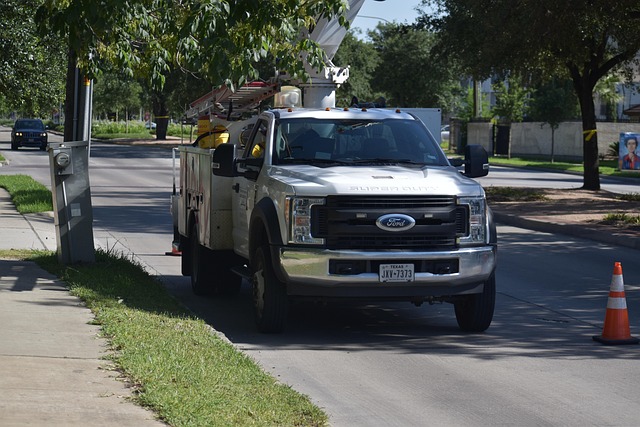
Registering a car in California involves several steps, two of which are crucial for ensuring a smooth process. The first is visiting a California Department of Motor Vehicles (DMV) office, where you can complete traditional documentation and inspections. Alternatively, many services now offer online registration, allowing you to bypass the DMV line and save time with digital submission.
For convenience, some professionals recommend utilizing a mobile VIN verifier during the inspection phase. This tool enables accurate identification of your vehicle using its unique Vehicle Identification Number (VIN), which is critical for matching against data in the DMV system. Online platforms often include these mobile VIN inspection tools to streamline the process further. According to recent statistics, nearly 70% of California residents now opt for digital registration due to its efficiency and ease.
If you choose the traditional route, arriving at a DMV office with all necessary documents is essential. Staff will guide you through the process, which includes verifying your identity, presenting proof of insurance, and conducting a physical inspection that may include a mobile VIN check. This step ensures the accuracy of your vehicle’s information and helps deter fraud. Once passed, your car can be officially registered in California, allowing you to hit the road legally and confidently.
Complete the Car Registration Application Form Accurately

Registering a car in California involves several steps, and one critical component is ensuring your Car Registration Application Form (CRAF) is completed accurately. This form serves as the backbone of the registration process, collecting essential details about your vehicle and establishing its legal status on California roads. A simple error or oversight could lead to delays or even rejection of your registration application.
The CRAF demands meticulous attention, especially when it comes to identifying your vehicle uniquely. Here’s where a VIN (Vehicle Identification Number) verifier plays a pivotal role. Consider using a reputable mobile VIN verifier to cross-reference the information on your form with the manufacturer’s records. This ensures accuracy and provides peace of mind. For instance, services like [Name of Mobile VIN Verification App] allow you to quickly and easily input your VIN online or via an app, delivering instant verification and saving you valuable time. Remember, a unique and accurate VIN is crucial for insurance purposes, title transfer, and future reference.
Furthermore, ensure that all details, from the vehicle’s make and model to its year of manufacture and current mileage, are precise. Any discrepancy might raise red flags with California’s Department of Motor Vehicles (DMV). A common pitfall is mistyping or misreading numbers during the inspection process. For instance, a recent DMV report highlighted that over 20% of registration applications had at least one error, with many involving incorrect VINs. To avoid these mistakes, consider having your VIN inspected by a professional using advanced mobile VIN verification tools before submitting your CRAF. This proactive approach can significantly enhance the chances of a smooth registration process.
Pay the Necessary Fees and Receive Your Vehicle Registration Papers

After completing your vehicle purchase in California, the next crucial step is to register your car with the Department of Motor Vehicles (DMV). This involves several processes, including verifying your Vehicle Identification Number (VIN) and paying the required fees. One efficient method to initiate this process is through a mobile VIN verifier, which allows you to complete the initial verification from the comfort of your home or even while on the go.
The VIN inspection is a vital step in the registration procedure. This unique identifier for your vehicle plays a critical role in ensuring its proper documentation and identifying any potential issues. Using a mobile VIN inspection tool, you can quickly capture and transmit this information to the DMV. Many such apps are user-friendly, requiring only your VIN and basic information to get started. Once downloaded, simply input your car’s VIN, and the app will perform a comprehensive check against state records, providing instant validation or identifying any discrepancies.
Upon successful VIN verification, you’ll be ready to pay the necessary fees for vehicle registration in California. These costs can vary based on several factors, including the type of vehicle and its age. The DMV offers various payment methods, ensuring convenience for registrants. After processing your application and confirming your details, including the passed VIN inspection, the DMV will issue your vehicle registration papers. It’s advisable to keep these documents secure and readily accessible for future reference and potential proof of ownership or insurance claims.
Registering a car in California involves several crucial steps, from gathering necessary documents to ensuring compliance with vehicle identification number (VIN) verifier requirements. By accurately completing application forms and paying associated fees, residents can secure their vehicle registration papers, officially recognizing their vehicle’s status within the state. This streamlined process, accessible through DMV offices or online services, empowers Californians to efficiently manage their vehicular documentation, reflecting the state’s commitment to simplifying administrative tasks for its citizens. The key takeaways: prepare requisite documents, understand VIN verifier regulations, and navigate the registration application with precision for a successful and hassle-free outcome.