

Registering your car in California is a straightforward process, but understanding the steps is crucial. This guide will walk you through the entire procedure, from gathering essential documents to completing the DMV VIN verification. We’ll break down each section, ensuring you’re prepared with all requirements. By following these simple steps, you’ll be on your way to securing your vehicle’s registration in no time, avoiding any potential delays or complications.
- Understanding the California Car Registration Process
- Gather Necessary Documents for Car Registration
- DMV Vin Verification: Steps and Requirements
- Choosing a Car Title and Registration Fee
- Submitting Your Application and Waiting Periods
Understanding the California Car Registration Process

Understanding the California Car Registration Process
In California, registering your vehicle involves several steps that can seem overwhelming at first. However, with a clear understanding of the process and proper documentation, the task becomes more manageable. The initial step is to ensure your car meets all safety and emissions standards by undergoing a DMV (Department of Motor Vehicles) vin verification. This involves checking the vehicle identification number (VIN) to confirm its authenticity and history, which is crucial for ensuring roadworthiness. Once your car passes this inspection, you’ll need to gather essential documents such as proof of ownership, insurance, and identification.
The next phase includes visiting a DMV office or utilizing their online services to fill out registration forms. A key component here is the mobile vin verification or inspection, which allows for convenience by enabling you to confirm your vehicle’s details from the comfort of your home or on the go. After submitting all necessary paperwork and fees, the DMV will process your application, resulting in a fresh car registration certificate that must be displayed on your vehicle at all times. Adhering to these steps not only ensures compliance with California laws but also promotes a safe and efficient road environment.
Gather Necessary Documents for Car Registration

Before registering your car in California, you’ll need to gather several essential documents. The first step is to ensure that all legal requirements are met by completing a Vehicle Registration Application form, which can be obtained from the California Department of Motor Vehicles (DMV) or downloaded online. Among these documents, the DMV requires proof of vehicle ownership, typically through a title certificate. Additionally, you’ll need to provide identification documents such as a valid driver’s license or state ID card for all owners listed on the registration.
Another crucial step is to undergo a DMV VIN verification process, which involves checking the Vehicle Identification Number (VIN) against the manufacturer’s records to ensure it matches the vehicle’s description and specifications. For convenience, many individuals opt for a mobile VIN verifier or conduct a vin inspection using online tools. This step ensures that your car meets safety and environmental standards, facilitating a smoother registration process.
DMV Vin Verification: Steps and Requirements
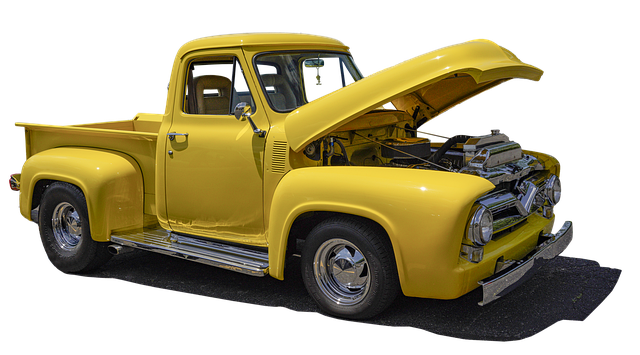
DMV Vin Verification is a crucial step in the car registration process in California. To begin, ensure your vehicle’s information matches the details on the title and that it meets all safety standards. Next, schedule or request a DMV vin verification appointment online or at a local field office. During this inspection, you’ll need to present proof of identity, ownership, and insurance. A mobile vin verifier or vin inspection service can also be used for convenience; these services come to your location and perform the check, saving time and effort.
The inspector will verify the vehicle’s identification number (VIN) by checking its accuracy against the manufacturer’s records and conducting a thorough examination of various components. This includes checking for any structural damage, ensuring all lights and signals function properly, and verifying the odometer reading. Once the vin inspection is complete, the inspector will issue a report stating whether the vehicle meets all requirements. If there are no issues, your car registration can proceed; otherwise, you’ll need to address any discrepancies before re-attempting the verification.
Choosing a Car Title and Registration Fee

When registering your car in California, one crucial step is choosing the appropriate title and understanding the registration fee structure. The California Department of Motor Vehicles (DMV) requires a valid vehicle title, which serves as proof of ownership. Ensure that the title is free from any liens or encumbrances before proceeding with the registration process.
The registration fee varies based on several factors, including the type of vehicle and its age. For example, lighter vehicles like cars and motorcycles may have lower fees compared to larger vehicles like SUVs or trucks. Additionally, there might be a surcharge for late registration or an additional fee for specialized plates. The DMV also offers various payment options, and it’s important to note that accepting a mobile vin verification or conducting a vin inspection can help streamline the process, making it more convenient for California residents.
Submitting Your Application and Waiting Periods

After completing your vehicle’s registration application, it’s crucial to submit all required documents and fees to the California Department of Motor Vehicles (DMV). This includes proof of insurance, a completed title transfer, and, in most cases, a DMV VIN verification. The VIN (Vehicle Identification Number) inspection ensures that your car matches the information on record. You can either do this at a local DMV office or opt for a convenient mobile VIN inspection service.
Waiting periods vary based on factors like whether you’re transferring ownership or registering a new vehicle. In many instances, the DMV will process your application within a few business days. However, during peak seasons or if additional verification is required, it could take up to two weeks. It’s advisable to check with your local DMV for specific time frames and to consider scheduling appointments in advance, especially when using mobile vin inspection services, to ensure a smoother registration process.
Registering a car in California involves several straightforward steps, from gathering essential documents to completing the DMV VIN verification process. By understanding the requirements, choosing the appropriate title, and submitting your application promptly, you can ensure a smooth and efficient registration experience. Remember to check with your local DMV for any specific guidelines or additional fees, as these may vary. With careful navigation of each step, including timely completion of the mandatory DMV VIN verification, you’ll be on your way to legally owning and operating your vehicle in The Golden State.